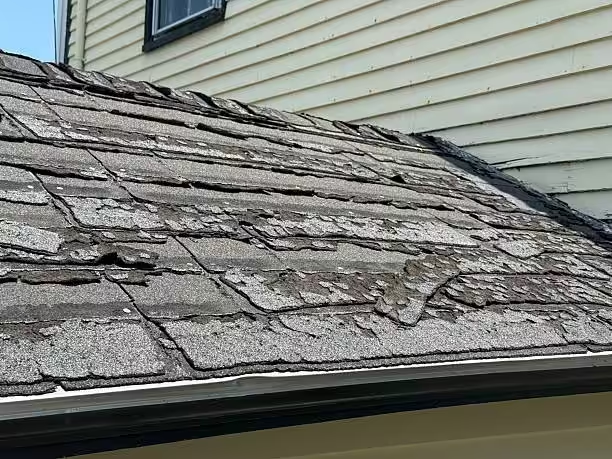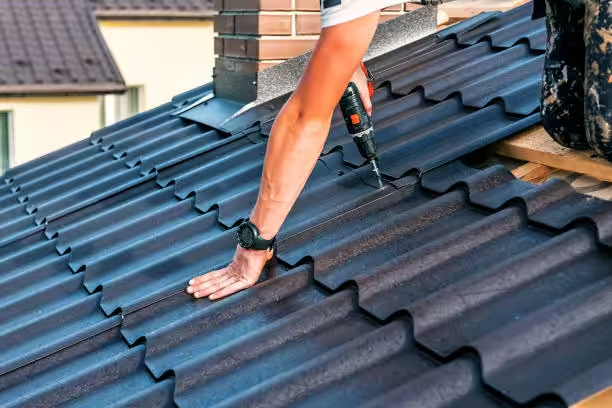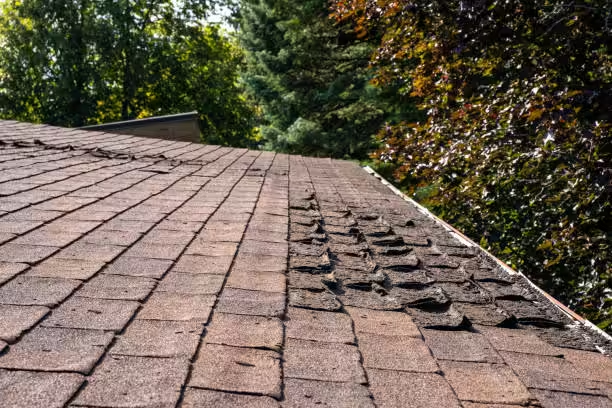

Florida is known for its sunshine, lovely beaches, and sudden, strong hurricanes. While the warm environment is a dream for many, it can be hard for homeowners with tile roofs. Roofing materials are susceptible to damage from hurricanes, tropical storms, excessive humidity, and intense UV radiation. Homeowners naturally want to know “how often should you inspect a tile roof?”
Regular inspections in Florida aren’t just a recommendation—they’re an absolute must. Although tile roofs are long-lasting, preventative maintenance guarantees that they can withstand hurricanes, torrential rain, and intense sunlight. This article will cover inspection frequency, Florida-specific risks, and roof protection tips.
Why Tile Roof Inspections Are Important In Florida?
Tile roofs are durable and attractive, but Florida’s weather brings unique challenges:
- Hurricanes And Strong Winds: Can break, displace, or even lift tiles.
- Thunderstorms And Heavy Rain: Water penetration might damage the attic or underlayment areas.
- High Humidity: Encourages the growth of mold, algae, and moss.
- UV Exposure: Prolonged sun exposure can fade tiles and degrade protective coatings.
Knowing how often should you inspect a tile roof in Florida ensures damage is identified early, protecting your property and investment.
How Often Should You Inspect A Tile Roof In Florida?
Given Florida’s conditions, professionals suggest how often to inspect your roof:
Twice A Year Inspections
Ideally, in spring and fall. Fall inspections protect against hurricane season, while spring checks get ready for summer hurricanes.
After Major Weather Events
Inspect after hurricanes, tropical storms, hail, or severe winds. Damage can occur even if nothing is evident from the ground.
Older Roofs Or High-Risk Areas
Quarterly inspections may be necessary for roofs that are more than 20 years old or located in coastal or hurricane-prone areas.
Understanding local weather risks answers the question of how often should you inspect a tile roof in Florida, especially.
Key Florida-Specific Roof Risks
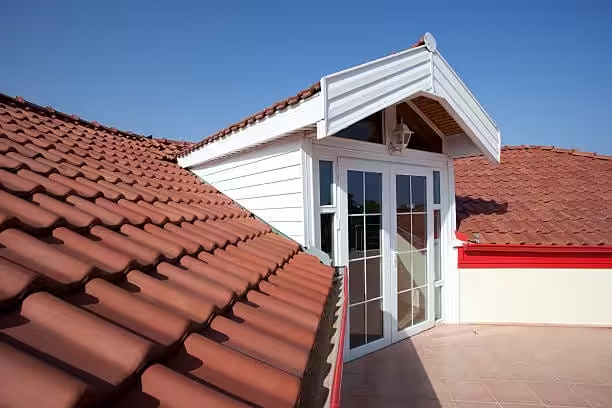
Hurricanes And Tropical Storms
The hurricane season in Florida, which runs from June to November, is crucial. Tiles may be lifted, cracked, or the underlayment damaged by strong winds. Post-storm assessments identify:
- Loose or broken tiles
- Flashing damage
- Leaks or water intrusion
Water Pooling And Heavy Rain
Flash floods and sustained rain can produce ponding on low-slope tile roofs. Regular inspections ensure:
- Gutters and downspouts are clear
- Roof valleys are free of debris
- Flashing is intact to prevent leaks
UV And Sun Exposure
Florida’s sun can discolor tiles and destroy protective coatings over time. Inspections should check for:
- Cracked or brittle tiles
- Worn or faded sealants
- Signs of heat-related expansion or warping
Humidity, Moss, And Algae
On roofs with limited ventilation or shade, high humidity encourages the growth of mold, algae, and moss. Early detection prevents:
- Staining and discoloration
- Slippery surfaces
- Water damage from trapped moisture
Signs Your Florida Tile Roof Needs An Inspection
Certain signs indicate that an urgent inspection is necessary, even when normal routines are not followed:
- Visible cracks, chips, or missing tiles
- Water stains in the attic or ceilings
- Debris accumulation soon after storms
- Moss or algae growth
- Loose or damaged flashing
In Florida’s environment, prompt action is essential. This guide addresses how often should you inspect a tile roof with a focus on preventative maintenance.
DIY Vs. Professional Inspections In Florida
Basic inspections can be carried out by homeowners:
- Use binoculars to check tiles from the ground
- Look for obvious damage, debris, or discoloration
- Inspect gutters and downspouts
However, Florida’s extreme weather threats often demand professional examinations every 1–2 years. Professionals can safely:
- Assess the roof right after a storm.
- Inspect whether the flashing or underlayment has hidden damage.
- Suggest roof repairs before small problems become more serious.
Professional inspections usually carried our by licensed roofing company such as Embick Roofing is an important aspect of addressing how often should you inspect a tile roof in hurricane-prone areas.
Seasonal Inspection Checklist For Florida Homes
Spring Inspection
- Check for winter and early spring storm damage
- Clear debris from valleys, gutters, and downspouts
- Look for algae or mold growth
- Inspect flashing and vents
Fall Inspection
- Prepare for hurricane season
- Trim down overhanging branches to lessen storm damage.
- Look for cracks that result from the light or heat.
- Ensure gutters are functional and debris-free
Seasonal inspections are crucial in Florida’s environment and assist in extending the roof’s lifespan.
Maintenance Tips For Florida Tile Roofs
Regular inspections are most effective when accompanied by roof maintenance:
1. Regularly cleaning gutters and downspouts helps prevent roof leaks and water pooling.
2. Cut down overhanging trees to prevent moss growth and storm damage.
3. Tiles that are cracked or damaged should be replaced right away to prevent water intrusion and expensive repairs.
4. Use protective coatings to help prevent the growth of moss, algae, and UV radiation.
5. Check roof ventilation; this reduces heat buildup and prevents moisture collection.
Following these procedures maximizes durability, answering how often should you inspect a tile roof with realistic action steps.
Benefits Of Regular Tile Roof Inspections In Florida
Early Damage Detection
Catch hurricane, rain, or sun damage before it gets expensive.
Extended Roof Lifespan
Prevents early deterioration and saves your investment.
Energy Efficiency
Ensures roof and insulation integrity, keeping your home cool.
Peace Of Mind
Knowing your roof is hurricane-ready minimizes stress during storm season.
Regular inspections aren’t just maintenance—they’re an investment in protection and longevity by performing roof repairs before the small damages escalated.
Conclusion
Although tile roofs are long-lasting, regular inspections are crucial due to Florida’s distinct climate, which includes hurricanes, heavy rain, humidity, and bright sun. Inspections ought to be done at least twice a year, after significant severe weather, and more frequently if the roof is older or located in a high-risk area.
Your tile roof can last for decades while protecting your house from Florida’s unpredictable weather by combining do-it-yourself and professional inspections, keeping gutters clear, removing trees, and quickly fixing damage.
Understanding how often should you inspect a tile roof in Florida is about proactive care, storm readiness, and peace of mind, ensuring your roof remains strong, safe, and beautiful for years to come.